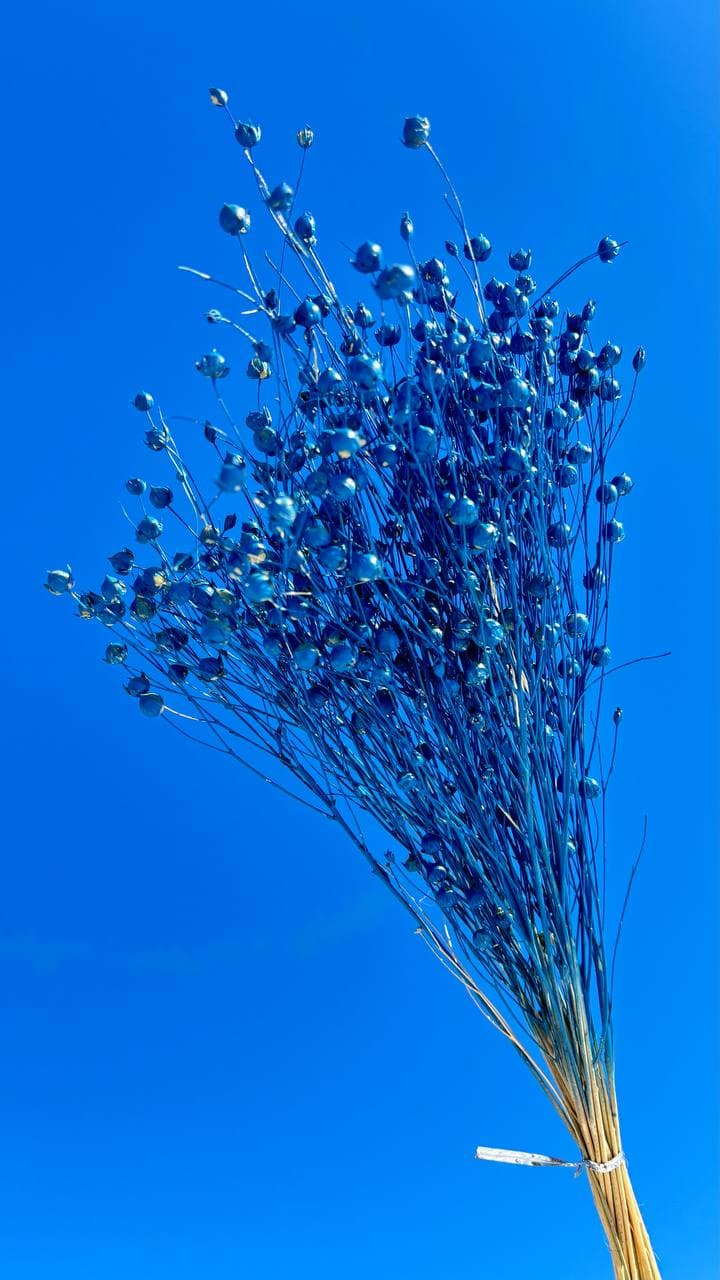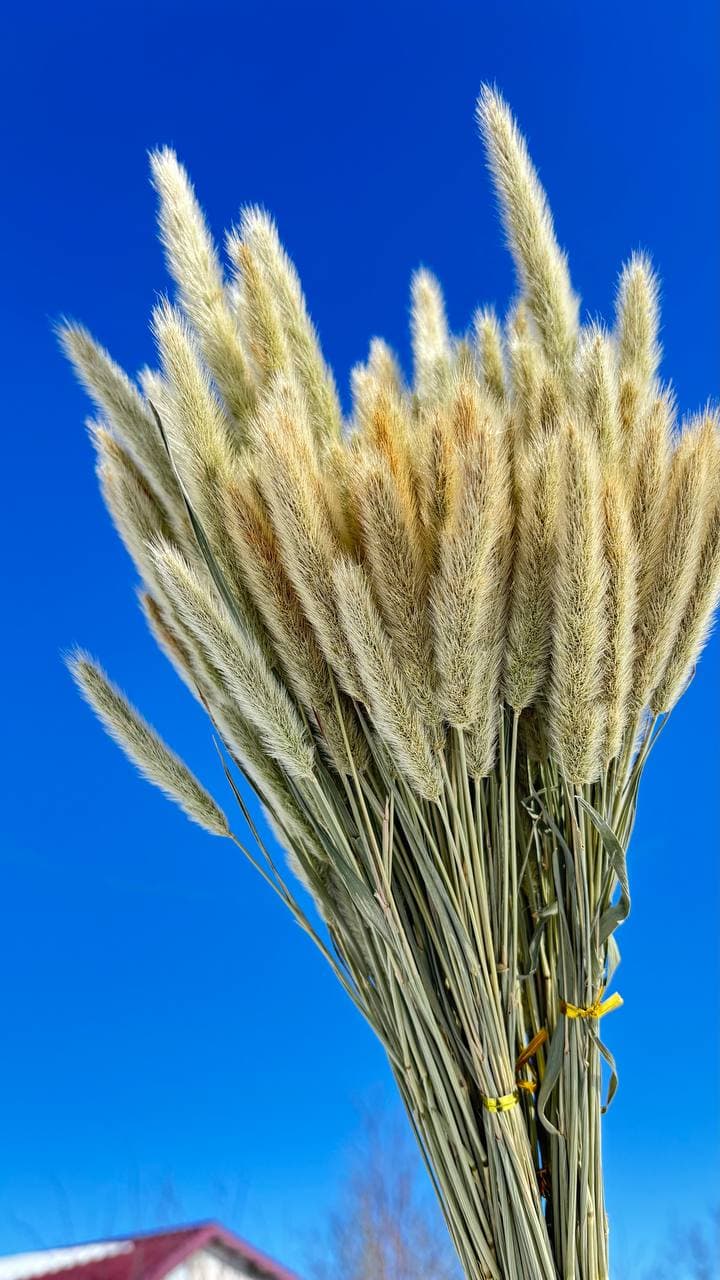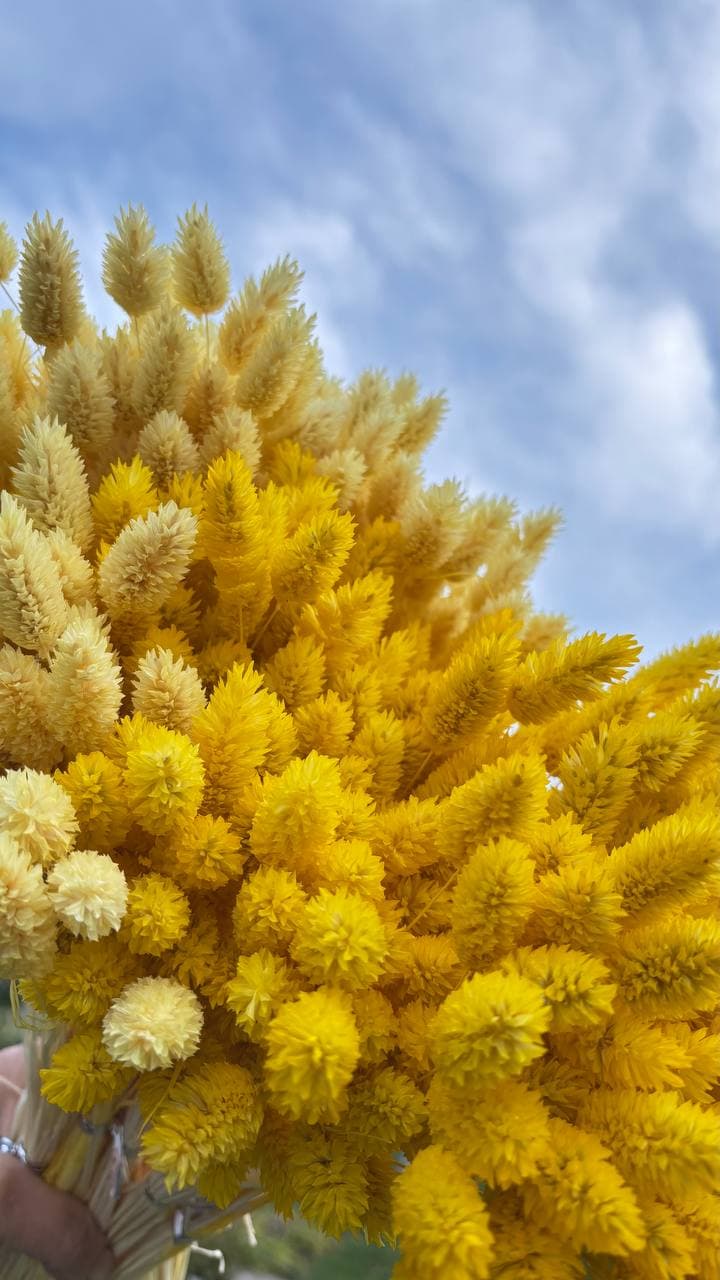
In Victorian England every mantelpiece had a glass dome with dried flowers, coral or a stuffed bird. Not just decor — a preservation technology. The trend is back, not as retro but as a rational solution.
Why glass extends plant life
Dust protection
The #1 enemy. Under glass there's none. A bouquet lasting 2 years openly lives 4–6 years under a dome.
Partial light protection
Frosted glass blocks some UV. Bright colors (statice, protea) keep their saturation longer.
Mechanical protection
Cats, kids, careless guests — all neutralized.
Glass container types
Cloches
Classic — glass dome on a wooden or stone base. 15–40 cm. Best for single accent pieces.
Shadow boxes
Deep wall frames with glass front. Flat compositions hung on walls. Great for pressed flowers, lavender, herbarium.
Bell jars
Round lab-style jars. Good for collections of small bouquets.
Airtight cases
Modern option — sealed acrylic boxes. Maximum lifespan, no dust or humidity inside.
Build one yourself
- Pick a base — wood, stone, thick book.
- Secure the flowers — dry floral foam, hot glue, or natural moss.
- Build height — one tall piece in the middle, 2–3 smaller around. Leave empty space.
- Place the dome — nothing should touch the glass.
Where to put it
Mantelpiece, bookshelf, vanity, desk. Static object for looking, not for passing by.
At Dryflower
We now build custom dome compositions sized to your glass. Contact us via the custom order form.
See also: Pressed flowers: a separate world.